
Lithuanian Airports’ First-Half Results: Revenue and Adjusted EBITDA Increase as Infrastructure Investment Continues
- News
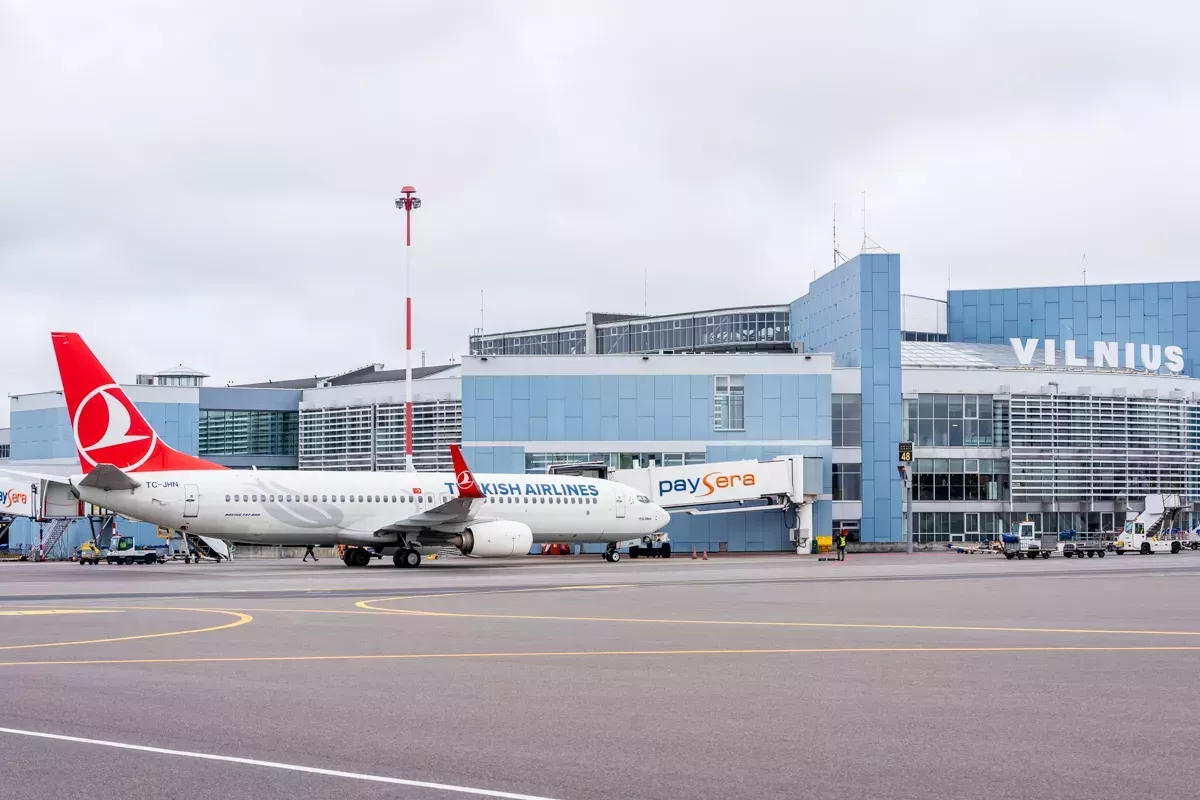
Lithuanian Airports (LTOU) generated nearly EUR 37 million in revenue in the first half of 2026, according to unaudited data, representing a 9% increase compared to the same period last year. The company’s adjusted EBITDA[1] rose by 5% compared to the first half of 2025, reaching EUR 11.7 million. These financial results enable the operator of Vilnius, Kaunas and Palanga airports to continue investing consistently in infrastructure and service development.
During the first six months of this year, the three airports handled 3.6 million passengers, 9% more than in the same period last year. The number of flights increased by 5%.
Non-aviation activities accounted for a significant share of the company’s growth, generating nearly EUR 14 million in revenue during the first half of the year, approximately 13% more than a year earlier. Growth in non-aviation revenue was driven by the expansion of commercial space, rental activities, car parking and other passenger services.
“The steady growth in passenger and flight volumes is also reflected in our financial results. Increasing revenue and profitability enable us to continue investing in infrastructure, an improved passenger experience and the long-term competitiveness of the entire Lithuanian airport network,” says Gintarė Norvilaitė-Tautevičė, Acting CEO of Lithuanian Airports.
In the first half of the year, LTOU invested EUR 17.5 million in infrastructure development and modernisation, almost 20% more than during the same period last year.
Among the most significant investment projects is the new VNO Plaza, which opened at Vilnius Airport in June. Covering more than 3,000 square metres, the commercial space features retail and dining facilities, with the largest duty-free store in the Baltic States at its centre. The project not only enhances the passenger experience and helps manage passenger flows more efficiently, but also contributes to significant growth in non-aviation revenue.
The reconstruction of Vilnius Airport’s former departure terminals is also ongoing, while the project for the future arrivals terminal is being developed in cooperation with the international architectural firm Zaha Hadid Architects.
During the first half of the year, production also began on 12 electric buses that will be used to transport passengers within the airport premises. The buses are expected to enter service in autumn this year. The project will contribute to more sustainable and environmentally friendly airport operations.
At Kaunas Airport, a multi-storey car park with more than 900 parking spaces was completed in the first half of this year. Projects to modernise terminals, technological systems and specialised vehicles are also continuing.
To improve the passenger experience, Lithuanian Airports also launched its redesigned website this year, featuring a new interactive route map that helps travellers quickly and easily plan their future journeys.